Post | December 2025 | 2 min read
Young people shaping how ethnicity data is explained at Birmingham Women’s and Children’s
Written by
Amy Maclean

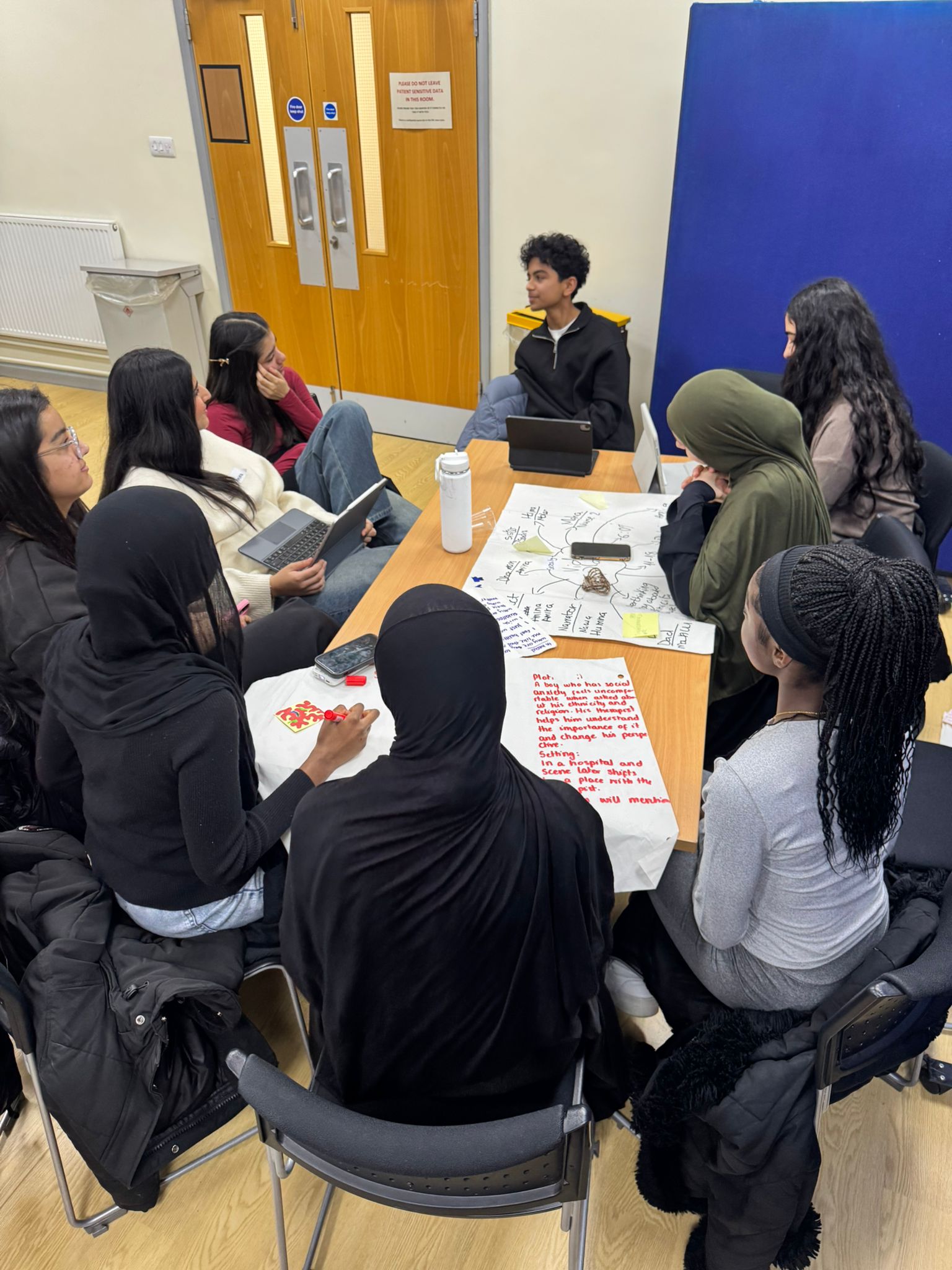
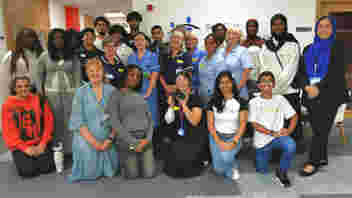
On Thursday 4 December, 35 young people aged 14-18 from across Birmingham came together with frontline NHS staff to explore how Birmingham Women’s and Children’s NHS Foundation Trust collects and explains ethnicity data. The group was recruited by career coaches as part of the Volunteering for Health Programme.
Building on ideas first explored in an earlier session in August, the focus was on how these conversations can feel safer, clearer and more supportive for patients, families and staff. The young people shared practical, creative ideas for improving how information is communicated, while staff helped ground these suggestions in day-to-day practice so they can genuinely shape future approaches.
Ethnicity data is essential for understanding and reducing health inequalities. Without it, we cannot see whether changes in care are reaching the communities that experience the greatest disparities in health outcomes. The young people have helped identify clearer, more human and more meaningful ways to explain this, making sure families understand how sharing this information directly supports better, fairer care.
Across the project, the young people developed a range of creative and practical ideas. These included:
- using text messages via the existing patient portal app to explain why the data is requested and why it matters
- short videos to be shown in waiting rooms or shared ahead of appointments
- a poster campaign, and
- a schools-based programme where students take a resource pack into their schools and run assemblies on health inequalities and data.
Some of the students will be road-testing this approach.
The third and final session on 16 December focused on developing these ideas further, and we’re particularly excited to be bringing the Trust’s communications team into the final phase. They will help shape the electronic and film-based outputs so they are engaging, accessible and ready for real-world use.
We were also delighted to be joined by our Chief Nurse, Daljeet, who visited the group, shared her support, and passed on her compliments, recognising both the importance of this work and the value of young people leading change in how we communicate with families.
This project is a powerful example of how youth voice, lived experience and creativity can strengthen how we tackle health inequalities in practice. We are excited for the final session in February, led by the communications team.
Find out more about the Volunteering for Health Birmingham and Solihull Programme https://www.bvsc.org/volunteering-for-health
Related Posts


"So, you think you’re autistic?" A video created by young volunteers, for young people


Volunteering for Health – Supporting Birmingham’s Health System Together